
Have you ever wondered what makes the internet tick? Spoiler alert: it’s not just magic and interwebs. The secret sauce of connectivity lies in the humble IP address, like our buddy 45.248.163.181. In this text, we’ll embark on a journey of discovery to unravel the mysteries behind IP addresses, filled with insights and maybe even a chuckle (or two). Buckle up, because we’re diving deep into tech territory with style.
What Is an IP Address?
To start, let’s define what an IP address is. An Internet Protocol (IP) address is a unique string of numbers separated by periods. This string identifies devices on a network. Think of it like your home address, but for your computer. Without it, your device would be wandering around the internet like a lost puppy.
IP addresses serve two primary purposes: identifying the host or network and providing the location of the device in the network. Simply put, they help devices find and communicate with one another. Every time we stream a video or send an email, IP addresses are what allow data to travel back and forth, making our internet experience smooth and seamless.
Types of IP Addresses
Now that we have a grip on what an IP address is, let’s explore the different types. There are two main types of IP addresses you need to know: IPv4 and IPv6.
IPv4 Addresses
These are the most common and consist of four sets of numbers (like 192.168.1.1). There are about 4.3 billion possible IPv4 addresses, which seems like a lot until you consider how many devices are connected to the internet. As our tech world grows, we’re running low on these addresses.
IPv6 Addresses
Enter the superhero, IPv6. This newer version of IP addresses was developed to provide an almost limitless number of addresses. Composed of eight groups of hexadecimal numbers, it can accommodate trillions upon trillions of devices. We might run out of IPv4 addresses, but IPv6 ensures that won’t be happening anytime soon.
Decoding 45.248.163.181: Location and Ownership
Now, let’s put our detective hats on and decode the IP address 45.248.163.181. This address belongs to a specific network, and understanding where it originated from can provide valuable insights about its use.
Typically, we can find out an IP address’s geographical location using various tools online. For instance, it might reveal that 45.248.163.181 is registered in a particular country or region. This can help businesses tailor their services and users understand the source of their online interactions.
But, ownership isn’t just about location. Organizations and companies often manage whole blocks of IP addresses. So, the owner of 45.248.163.181 could be a business set up to provide web services or other functions related to the internet.
What Can You Do with an IP Address?
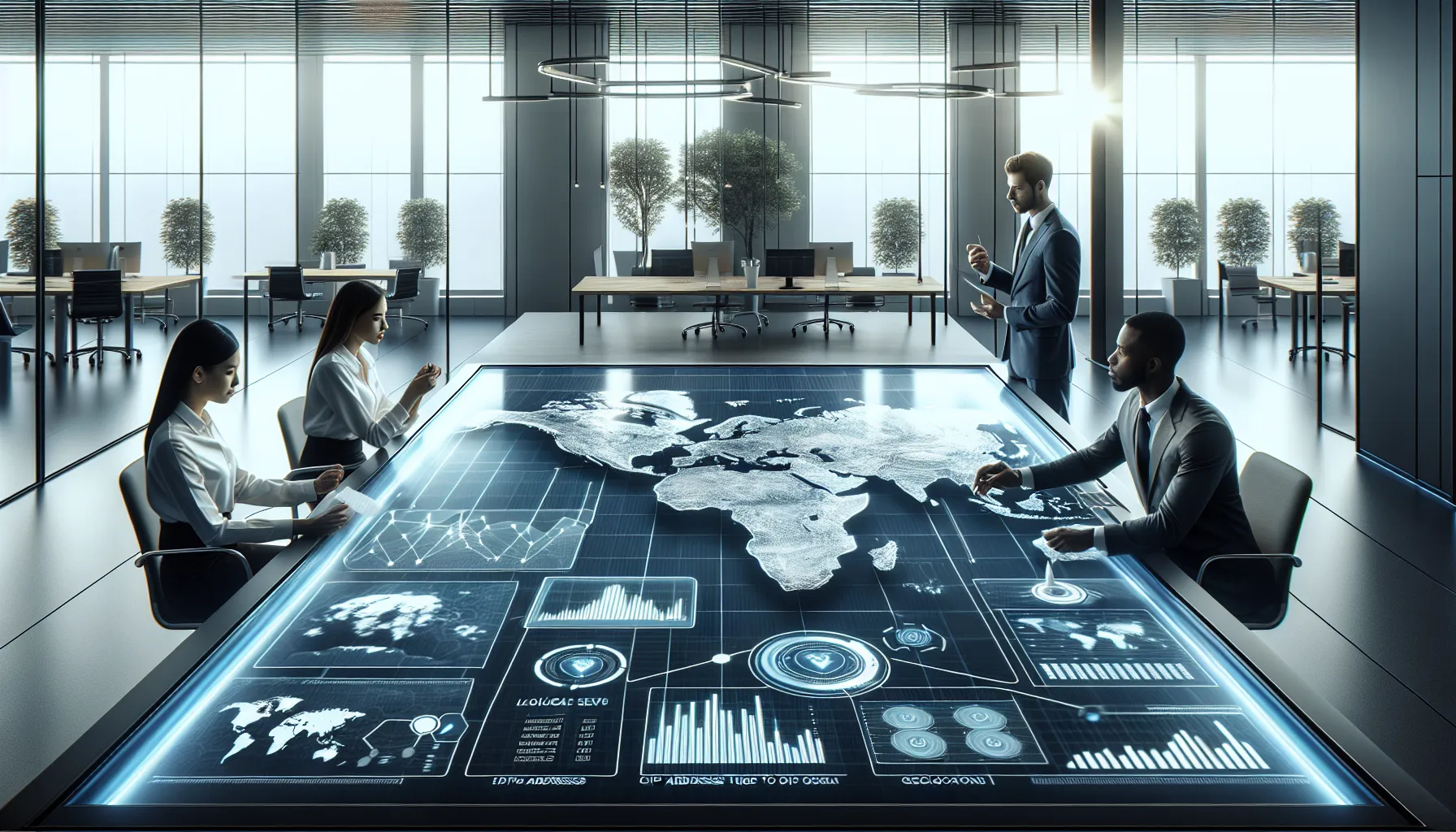
So, what can we actually do with an IP address? Well, the applications are vast. Here’s a brief rundown:
- Tracking Anonymous Users: While it’s essential to ensure privacy, there are situations when tracking an IP address can help us identify malicious activities.
- Geolocation Services: Businesses can provide tailored content based on the geographic data linked to the IP address, making it crucial for local SEO strategies.
- Restricting Access: Businesses often restrict access to their websites or services based on geographical locations using IP addresses. This is crucial for complying with licensing agreements or for resource management.
Security and Privacy Implications of IP Addresses

While IP addresses are oh-so-necessary for connectivity, they also come with security and privacy implications. Let’s dig into the darker side of these identifiers.
For starters, IP addresses can be used to track user behavior online. This can raise red flags about privacy. Companies might collect data on browsing habits linked to IP addresses, leading to concerns over how this information is used.
Besides, malicious actors can use IP addresses to launch attacks, such as DDoS (Distributed Denial of Service) attacks. These attacks can overwhelm a network, disrupting services for legitimate users. For this reason, we must always be cautious and consider using security measures, like VPNs, to mask our IP addresses.